April 17, 2026
Owning a home in Lewisburg, PA, comes with a unique set of responsibilities, especially when your property relies on a private waste management system. While a septic tank is a marvel of engineering that works silently beneath your feet, it isn't a "set it and forget it" utility. For many homeowners, the septic system is an afterthought until a major backup occurs, but waiting for a total failure can lead to astronomical repair costs and significant property damage. Understanding the subtle and not-so-subtle cues your system sends can be the difference between a simple maintenance visit and a full-scale emergency. By prioritizing regular septic system inspections, you can catch minor hiccups before they evolve into catastrophic failures.
1. Noticing Unpleasant Odors
One of the first and most obvious indicators that something is wrong with your waste management system is a persistent, foul smell. If you start to notice a scent reminiscent of rotten eggs or raw sewage wafting through your yard or even inside your home, your system is likely struggling to process waste effectively. These odors are caused by escaping gases like methane and hydrogen sulfide, which should normally be contained or neutralized within the tank. When the tank is full or the drain field is clogged, these gases find the path of least resistance, often venting back through your house drains or rising up through the soil. Relying on professional septic system inspections during these smelly episodes can help identify whether the odor is a simple venting issue or a sign of a much deeper structural failure.
2. Observing Unusually Lush Or Soggy Grass
While every homeowner wants a green, healthy lawn, an isolated patch of vibrant, thick grass directly over your drain field is actually a major red flag. This phenomenon occurs because the failing septic system is essentially "over-fertilizing" the area with untreated wastewater that has risen too close to the surface. If you notice that one specific area of your yard stays green during a drought or feels spongy and soggy even when it hasn't rained, your drain field is likely saturated and unable to absorb any more liquid. This oversaturation often leads to surface pooling, which creates a health hazard for your family and pets. During routine septic system inspections, a technician can probe the soil and check the liquid levels in the absorption area to determine if the soil has become completely clogged.
3. Hearing Gurgling Noises
Your plumbing should operate relatively quietly, so if your toilets or sinks start making strange gurgling or bubbling sounds every time you flush or run the dishwasher, you need to pay close attention. This sound is often the result of air bubbles being trapped in the pipes because the water can't flow freely into the septic tank. It's essentially your plumbing gasping for air as it fights against a blockage or a tank that has reached its maximum capacity. While it might seem like a minor annoyance, ignoring these sounds usually leads to a complete backup within a matter of days. Incorporating septic system inspections into your annual home maintenance checklist ensures that these acoustic warnings are addressed by a professional who can distinguish between a simple pipe clog and a failing tank baffle.
4. Dealing With Sluggish Drains
When a single sink drains slowly, you might just have a hair clog, but when every drain in your house starts to lag, the problem is almost certainly rooted in your septic system. If you find yourself waiting several minutes for the bathtub to empty or if the washing machine seems to be struggling to discharge water, the system is likely backed up to the point of total saturation. Using chemical drain cleaners is a common mistake here, as those harsh liquids can kill the beneficial bacteria in your tank that are necessary for breaking down solids. Instead of reaching for a bottle of chemicals, scheduling septic system inspections is the safest way to diagnose the bottleneck. Professionals can use specialized cameras to see if the slow drainage is caused by tree root intrusion or a solid waste buildup that requires immediate pumping.
5. Finding Standing Water
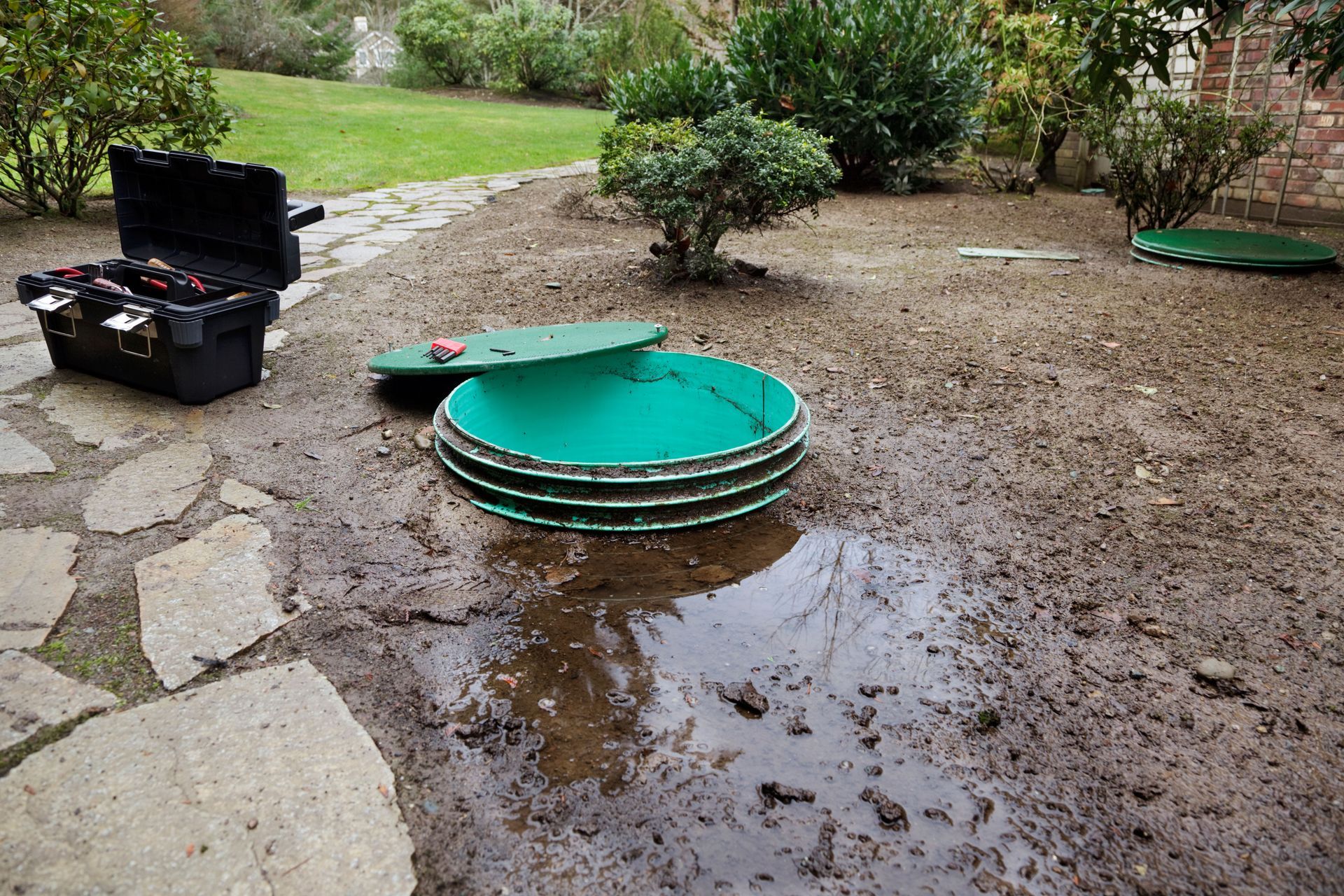
Discovering puddles of standing water in your yard when there hasn't been any recent precipitation is perhaps the most alarming sign of a failing system. This standing water is usually effluent that has nowhere else to go because the drain field is no longer permeable. This liquid isn't just "water"; it's untreated waste that carries bacteria and viruses, posing a significant risk to the local groundwater and your property’s hygiene. When this happens, the internal pressure of the system has exceeded its limits, and the wastewater is being forced upward through the soil. According to Housegrail, the average service life of a standard septic installation typically spans at least 25 years, but that longevity is strictly dependent on the system not being pushed beyond its capacity to the point of surface flooding.
6. Experiencing Frequent Sewage Backups Indoors
There is no clearer sign of a system failure than the sight of dark, foul-smelling liquid backing up into your lowest drains, such as basement floor drains or showers. A backup is the final stage of a failing system and represents a true plumbing emergency that requires immediate intervention to prevent permanent damage to your home’s interior. This occurs when the septic tank is so full of solid sludge or the exit pipe is so obstructed that the waste has no choice but to reverse its flow back into the house. While the cleanup process for a backup is a nightmare, the root cause must be addressed through comprehensive septic system inspections to ensure the problem doesn't recur the very next time you use the water. A technician will need to evaluate the tank's structural integrity and the health of the inlet and outlet pipes.
7. Testing for High Nitrate Well Water
If your home relies on a private well in addition to a septic system, the health of your drinking water is directly tied to the performance of your waste treatment. A failing septic system can leak nitrates and coliform bacteria into the surrounding groundwater, eventually contaminating your well. If your annual water test shows a spike in nitrate levels, it's a strong indicator that your septic system's drain field is failing to properly filter the effluent before it reaches the water table. This invisible warning sign is often the most dangerous, as you can't see or smell the contamination. Regular septic system inspections should always be paired with water quality testing to ensure that your waste management practices aren't poisoning your own supply of fresh water.
Maintaining a healthy septic system is about more than just avoiding the inconvenience of a backup; it's about protecting your property value and the environment in Lewisburg. While these seven warning signs can help you identify a crisis, the goal of every homeowner should be prevention. Being mindful of what you flush, reducing your total water usage, and keeping heavy vehicles off your drain field are all essential habits. However, no amount of careful use can replace the expertise of a professional who can look inside the tank and assess the components you can't see. By being proactive and staying alert to the subtle changes in your plumbing’s performance, you can ensure that your system serves your home reliably for its entire intended lifespan. For reliable septic pumping and maintenance that keeps your home running smoothly, contact Wolfe's Liquid Hauling.