March 17, 2026
Understanding what to anticipate during routine septic services can help homeowners prepare for maintenance visits and ensure their septic systems remain in optimal condition. A well-maintained septic system is essential for handling household wastewater effectively, preventing system failures, and avoiding costly repairs. Homeowners who understand the processes involved can engage more effectively with service providers and participate in the maintenance of their systems. In this article, we will explore the key steps involved in routine septic services, the significance of each stage, and how homeowners can actively engage in the maintenance process. By gaining detailed insights, homeowners can extend the lifespan of their septic systems and avoid environmental hazards.
Inspect the Septic Tank and Key System Components
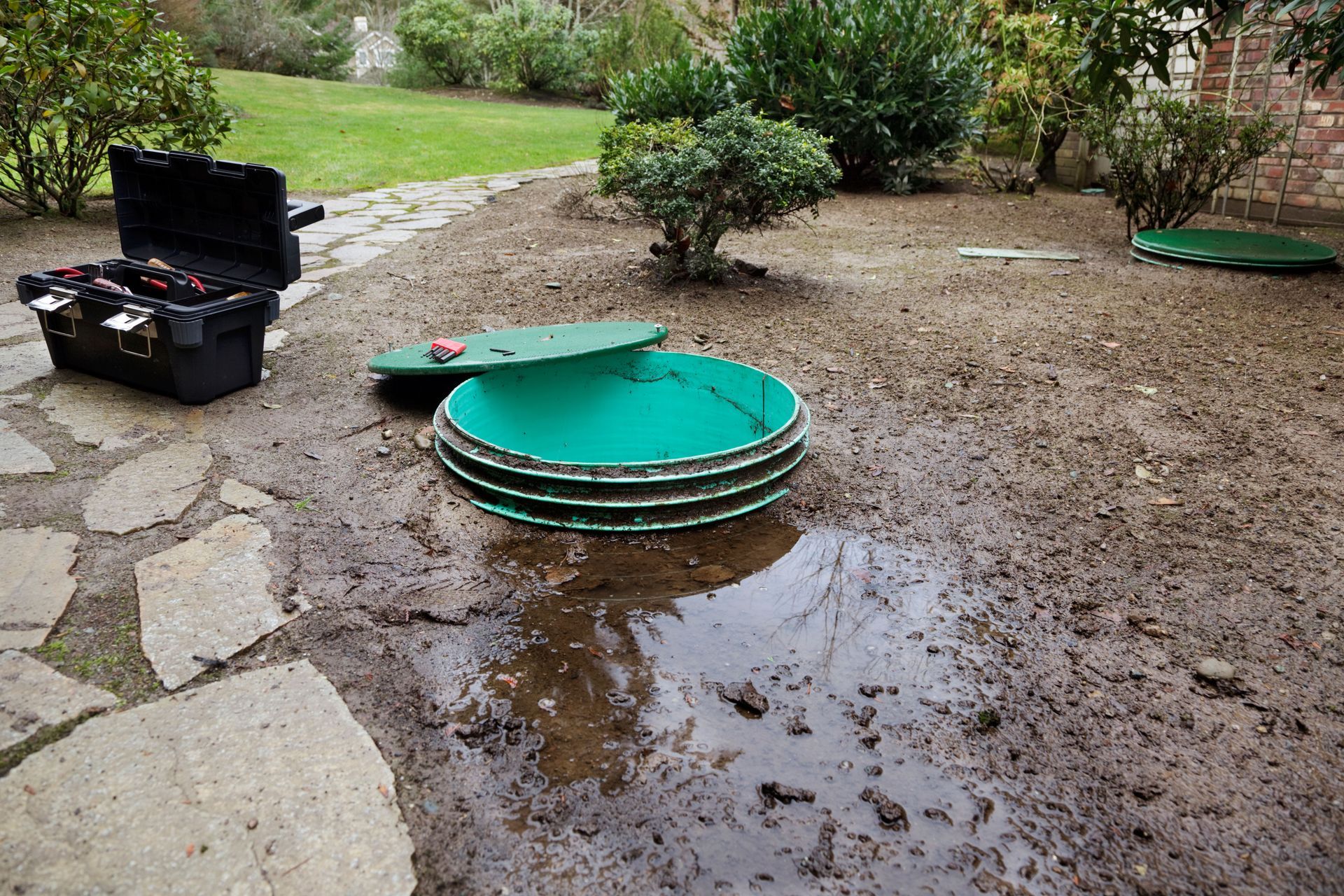
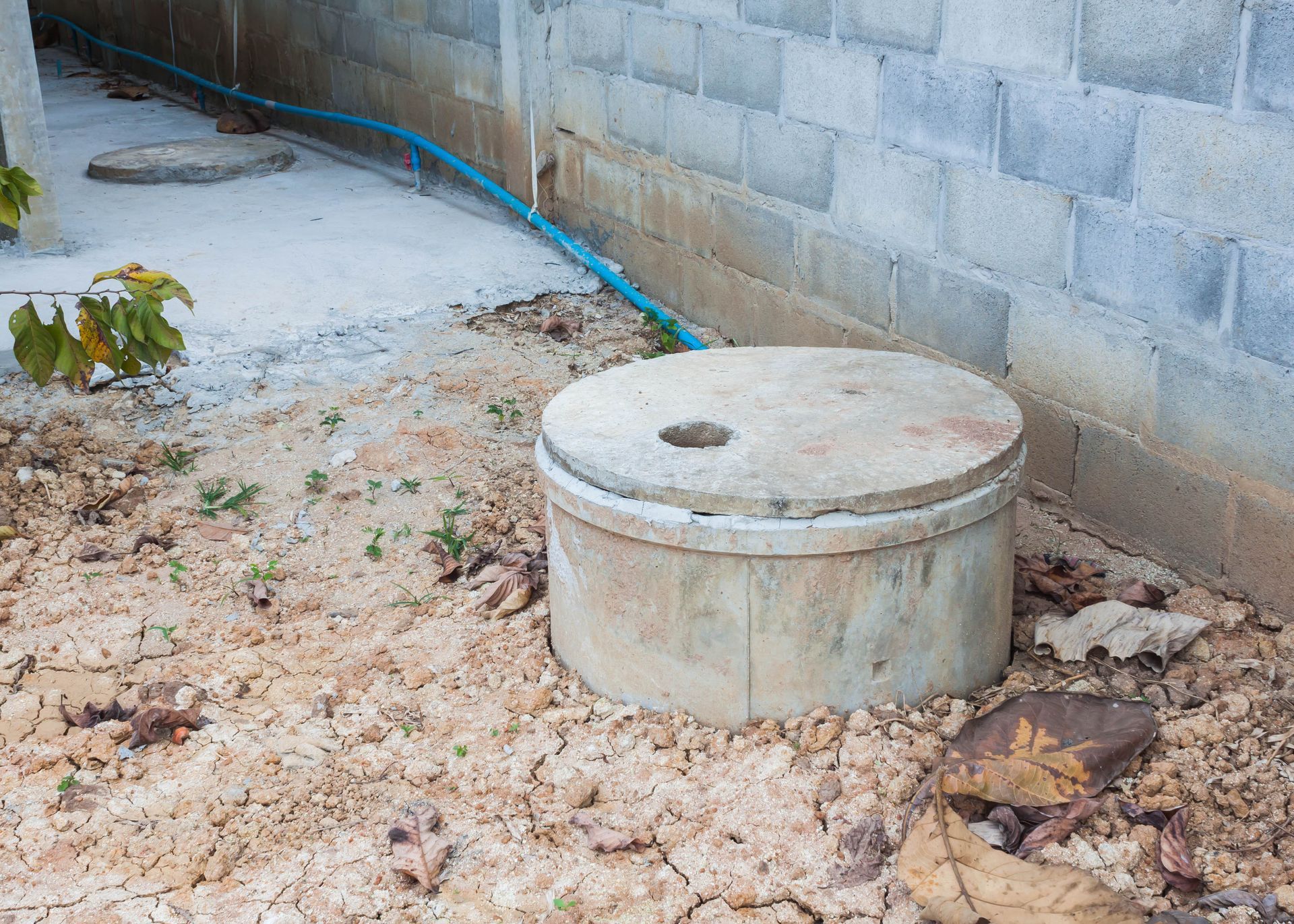
The visual inspection of the septic tank is a critical step in routine septic services. A professional will assess the physical condition of the tank, looking for visible signs of deterioration or damage such as cracks or leaks. This step is crucial because it helps identify structural issues early on, preventing major failures. During the inspection, the technician will also examine the manhole and ensure the tank's cover is secure. Regular inspection helps maintain the structural integrity of the tank, ensuring it functions as intended.
Checking sludge and scum levels is another essential part of the initial assessment. The service professional will measure the amounts within the tank to determine whether they fall within acceptable limits. Excessive levels may indicate the need for pumping or signal potential system overload. According to the Environmental Protection Agency, the typical household septic system should be inspected a minimum of every three years by a septic service professional. Regular checks help ensure the tank is pumped at appropriate intervals, maintaining efficiency and preventing backups.
The drain field is a critical component that requires vigilant monitoring. A technician will assess its performance by checking for signs of saturated soil or standing water, which can denote a malfunction. Drain fields play a key role in filtering and dispersing effluent, making their evaluation imperative for effective wastewater management. Any signs of poor performance must be addressed promptly to prevent system failure. Effective management and regular inspection help extend the lifespan of the drain field.
Inlet and outlet pipes are essential for the movement of wastewater in and out of the septic tank. During a routine service, professionals will inspect these pipes for any blockages, damage, or leaks. Ensuring these pipes are clear and intact guarantees the efficient flow of effluent, minimizing the risk of obstructions. Regular maintenance of the pipes protects the overall operations of the septic system. By addressing any irregularities, homeowners can avoid potential costly repairs.
Schedule Septic Tank Pumping and Remove Built-Up Waste
Determining when to pump the septic tank is a crucial aspect of maintaining its efficiency. Professional septic services rely on sludge and scum levels, household size, and usage patterns to decide the optimal timing. Regular pumping eliminates excess solids, preventing them from clogging the drain field. The EPA recommends inspection every three years, although septic systems might require more frequent pumping based on specific needs. Adhering to a proper pumping schedule helps sustain peak performance and prevents system breakdowns.
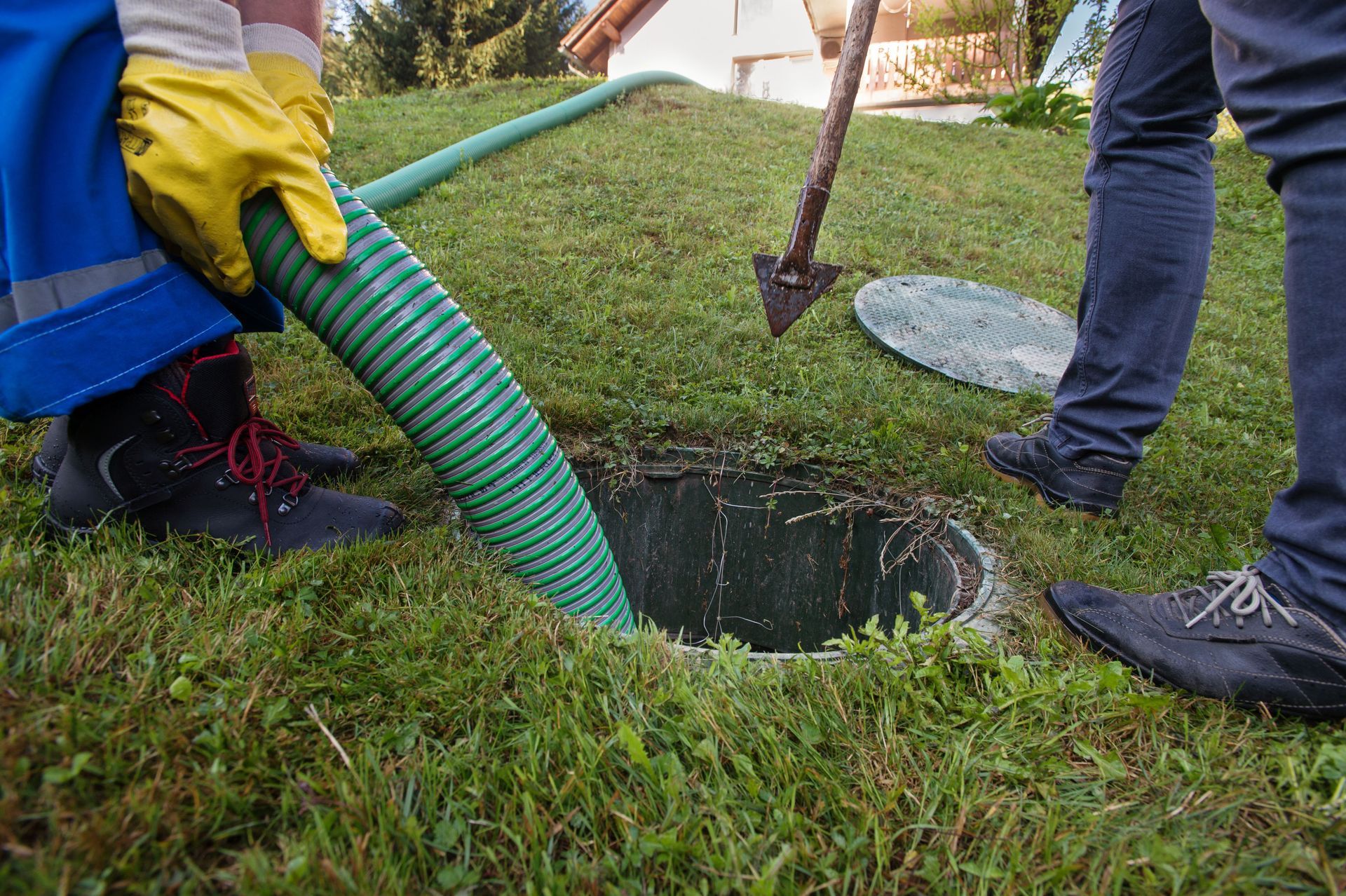
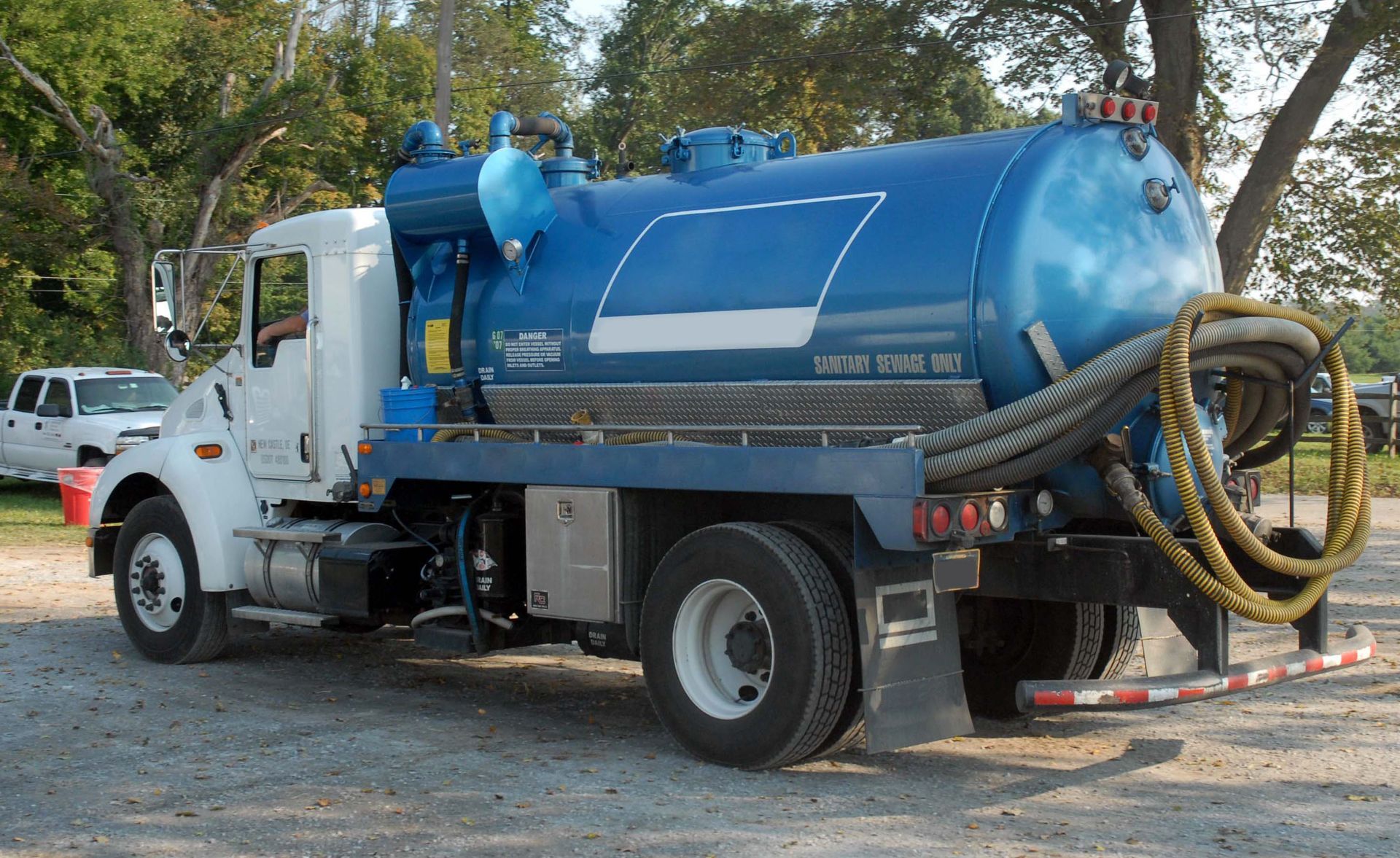
Safety is paramount during septic tank pumping, with professionals following strict procedures to protect both people and the environment. Experts use specialized equipment to safely extract and handle waste without exposing harmful pathogens. Protective gear and equipment are used to prevent direct contact with waste, and technicians are trained to manage emergencies effectively. Proper waste management ensures that the environment is not negatively impacted during the process. Homeowners can have peace of mind knowing that safety is a top priority during these operations.
Removal of solid waste from the septic tank is a critical step, ensuring that only effluent remains for further treatment. Professionals use powerful pumping equipment to extract these solids, preventing them from reaching and clogging the drain field. This process reduces the risk of system overload and helps rejuvenate the tank's capacity. By efficiently removing solids, the professionals ensure that the septic system continues to operate smoothly. Proper waste handling and disposal practices are integral to environmental sustainability.
Clean Pipes and Maintain Drain Field Efficiency
Clogged pipes can impede the operations of a septic system, making it essential to clear them during routine maintenance. Professionals use advanced tools to identify and remove blockages, restoring normal flow. Blocked pipes can lead to backups and system failure if not addressed in a timely manner. Routine cleaning ensures all pathways are clear, enhancing the system's overall throughput. This preventive measure minimizes the likelihood of unexpected breakdowns and costly emergency repairs.
Flushing the drain field lines helps remove any build-up or blockages, ensuring the efficient flow of effluent. During this process, professionals use effective techniques to enhance the performance and longevity of the drain field. Regular flushing aids in maintaining proper filtration, preventing environmental contamination. It ensures that effluent dispersal is uniform, preventing saturated areas in the drain field. Keeping the drain field lines clear is integral to maintaining a healthy septic system.
Bacterial additives are sometimes used to enhance the decomposition of organic waste within the septic system. These additives introduce beneficial bacteria that help break down solids more efficiently. Though not always necessary, bacterial additives can aid systems that experience heavy loads or are struggling to maintain optimal biological activity. Proper use of these additives supports the natural balance within the septic system. This practice can improve the system’s functionality and reduce odors.
Repair or Replace Damaged Septic System Components
Identifying damaged components is crucial for proactive system maintenance. Routine inspection with septic services helps pinpoint issues with system parts that, if left unattended, could lead to significant problems. Regular examination helps in catching these issues early, minimizing the need for major repairs. Components like pumps, floats, and alarms are meticulously checked for any signs of wear or malfunction. Catching defects early prevents disruptions and costly emergency repairs.
Leak repairs and sealing cracks are integral to maintaining a septic system's efficiency and safety. Leaks can result in system inefficiencies and environmental contamination if not promptly fixed. Professionals employ precise techniques and materials to seal any identified breaches, restoring the system’s integrity. Addressing leaks swiftly prevents potential environmental hazards and costly water damage. Routine inspection ensures that repairs are made promptly and effectively.
Replacing worn-out or faulty parts is vital to avert system failures and ensure optimal performance. Over time, some components may fail due to wear, necessitating their replacement. Parts like pumps and filters are replaced to maintain seamless operations, ensuring the system continues functioning effectively. By maintaining an active inventory of spare parts and adhering to proactive replacement schedules, homeowners can avoid disruptions. This approach ensures reliability and extends the system’s lifespan.
Routine septic services are crucial for the effective functioning and longevity of a septic system. By understanding each aspect of the service process, homeowners can make informed decisions, engage proactively with service providers, and contribute to effective system maintenance. Regular service visits and preventative measures can prevent system failures, ensuring peace of mind and protecting the environment from potential hazards. Homeowners who proactively engage in the maintenance of their septic systems safeguard their home infrastructure and contribute positively to environmental preservation. Informed management and consistent care can significantly extend the lifespan of the septic system and ensure its ongoing reliability and efficiency. Reach out to Wolfe's Liquid Hauling to learn more about our septic services today.